Bonus Buy Casino UK: Features, Demos and Terms
 Available in GB
A bonus-buy feature lets a player pay to access a game round, but its label does not guarantee an outcome or explain every rule.

Table of Contents
- Bonus-Buy Slots: What the Term Tells You—and What It Doesn’t
- Playing Bonus-Buy Slots Online in the UK
- Bonus-Buy Features and Casino Promotions Aren’t the Same Thing
- Trying a Slot Demo Before You Play
- Finding Bonus-Buy Games at a Casino
- Game Availability and the Limits of a ‘Latest’ or ‘Best’ Claim
- Reading the Terms Before You Use a Bonus
- Slot Machines, Spins and UK Play Rules
- How to Judge a ‘Best’ Bonus-Buy Claim
- Bonus Terms to Check Before You Choose a Slot
Bonus-Buy Slots: What the Term Tells You—and What It Doesn’t
“Bonus buy” is a label used in discussions of slots for a feature that lets a player pay to access a bonus round rather than wait for it to appear during ordinary play. That gives you a rough idea of the subject, but not a full description of what happens in any particular game. The name is a starting point, not a set of rules.
The wording can make the feature sound straightforward: pay, receive a bonus, carry on. In practice, you would need the rules for the specific slot to know what the feature actually offers and how it works. The phrase by itself does not tell you which round is involved, what you receive, or how the feature fits into the rest of the game. Those details belong to the game’s own information, not to the label.
Nor does “buy” mean that you are buying a guaranteed win. It describes access to a game feature, not a promise about the result. A bonus round can produce different outcomes; the name alone says nothing about what yours would be. It also does not tell you whether using the feature changes the way you experience the slot in any other respect. Broad labels are tidy. Game rules are where the particulars live.
When you’re choosing a UK casino for bonus-buy play in 2026, payout speed is one practical detail to consider alongside the game experience. Use these short verdicts as a quick reference.
Payout speed: 1-3 business days WinBeast lists a payout speed of 1–3 business days, giving you a stated timeframe to consider when planning withdrawals.
Payout speed: 1-3 business days SpinFormula lists payouts as taking 1–3 business days. You can use this as a practical reference when considering withdrawal timing.
Payout speed: 1-3 business days Amunbet’s stated payout speed is 1–3 business days, a useful detail for you to keep in mind when planning withdrawals.
Payout speed: 1-3 business days NightWin lists a payout speed of 1–3 business days. This gives you a stated timeframe to factor into your plans.
Payout speed: 1-3 business days SlotoSport states that payouts take 1–3 business days, which can help you set expectations around withdrawal timing.
Payout speed: 1-3 business days Chanze lists payouts as taking 1–3 business days. Consider this stated timeframe when planning how soon you may receive a withdrawal.
Payout speed: 1-3 business days Revery Play gives a payout speed of 1–3 business days, offering you a clear timeframe to consider for withdrawals.
Payout speed: 1-3 business days x3bet lists a payout speed of 1–3 business days. You can factor this stated timeframe into your withdrawal plans.
Payout speed: 1-3 business days EvoSpin states that payouts take 1–3 business days, giving you a useful reference for withdrawal timing.
Payout speed: 1-3 business days Zombillion lists payouts as taking 1–3 business days. Keep this stated timeframe in mind when planning withdrawals.
That distinction matters when you see several slots grouped under the same term. Shared wording does not establish that the games work alike, offer the same kind of bonus, or present the same choices. One title’s description cannot stand in for another’s. If you are looking at a particular game, read its own feature explanation rather than filling in the gaps from another slot’s name or reputation.
The term also says nothing about whether a game is available to you, or where it can be played. Those are separate questions. A page or discussion mentioning bonus-buy slots is not, by itself, a recommendation, a catalogue, or confirmation that any particular title is currently offered. Treat the wording as a way of identifying a subject, not as evidence about a specific game.
It is about understanding the idea behind bonus-buy slots without treating every game as interchangeable or assuming that a short description tells you everything worth knowing. When a game is named, its own rules and information are what matter.
If you are comparing descriptions, keep the questions simple. What does the game say the feature does? What does it cost, if a cost is stated? What changes when you use it? If the explanation does not answer those points, do not supply your own answer from the phrase “bonus buy”. A familiar label is not a substitute for clear rules.


People also use the words in different orders, talking about a slot’s bonus-buy feature or a casino offering games with that feature. The wording may shift; the underlying subject is still the game feature. But the phrase does not, on its own, tell you that a casino has a particular title, or that every title there includes the same option. The distinction is easy to lose when a short label is doing a lot of work.
For a UK reader looking up bonus-buy slots, that means separating three things: the broad feature label, the rules of an individual game, and any claims made about where that game can be found. When you move from the label to a real title, its own description is the sensible place to check. No guesswork needed.
Playing Bonus-Buy Slots Online in the UK
When you play a slot online for real money, the first thing to check is not whether its bonus-buy feature looks appealing. It is whether the site is allowed to offer gambling to people in the UK. A remote operator serving the British market must hold a licence from the UK Gambling Commission, even if the company is based elsewhere. Online gambling is legal in the UK only through licensed and regulated sites.
That matters for anyone looking to play bonus-buy slots online: a familiar-looking page or a prominent offer is not proof of a licence. Check the operator’s own site for its licence details, then verify the licence number on the Commission’s public register before depositing. It is a small check, and a useful one.
Licensing Check
Online gambling is legal in the UK only through licensed and regulated sites. Verify the operator’s licence number on the UK Gambling Commission’s public register before depositing.
Age and account checks
Online gambling is for adults aged eighteen and over. An operator must verify your age before allowing you to deposit, so be prepared to provide information or documents when asked. These checks are part of the regulated process, not an optional extra to get around if you are in a hurry.
Before opening an account, make sure the details you provide are accurate and belong to you. If verification is still outstanding, do not assume that a successful registration means you can immediately deposit or play for money. The operator has responsibilities here, and you should expect the checks to be completed before access to deposits is allowed.
Set a financial limit before depositing
A UK-licensed remote operator must prompt new customers to set a financial limit before their first deposit. It must also make account-level limit controls accessible, so you can review or change your limits through your account.
I would treat that prompt as a practical pause, not a box to click through. Think about what you can afford to lose without affecting bills, savings or other commitments. A limit is there to help keep gambling within that boundary; it does not make a loss harmless or turn a slot into a source of income. If the amount you have set no longer feels comfortable, use the account controls rather than trying to recover losses with another session.
UK rules also restrict how gambling accounts can be funded. Licensed operators cannot accept credit-card payments for gambling, including credit-card funding routed through a money service business. They also cannot accept wallet payments where the wallet allows credit-card funds to be used for gambling. If a payment option is presented at the cashier, that alone does not mean every form of funding through it is permitted.


Tools for keeping play manageable
Licensed casinos must provide responsible-gambling tools, including self-exclusion. Account controls can help you put boundaries around your gambling, while self-exclusion is an option if you need to stop access rather than simply reduce it. Take time to find these features before you need them; they are more useful when you know where they are.
If gambling is causing worry or affecting your finances, step away from the account and contact a support service such as GamCare or BeGambleAware. Asking for help is not a failure of willpower. It is a sensible response when play stops feeling manageable.
Regulation also gives you a route to raise a complaint. UKGC licensees must have an internal complaints process and provide access to an approved Alternative Dispute Resolution service. Keep records of relevant messages and account activity if you need to use that process.
These safeguards apply to real-money online gambling generally, including when a slot has a feature that lets you access a bonus round. They do not make every session risk-free, and they are not a reason to deposit more than you planned. Check the licence, set your limit, and know how to pause or stop before you begin.
Bonus-Buy Features and Casino Promotions Aren’t the Same Thing
The word “bonus” can point to two different things. In a slot, a bonus-buy feature refers to a game option; a casino promotion is an offer attached to an account or a particular campaign. They may appear together in the same conversation, but they are not interchangeable. Seeing one does not tell you that the other is available.
Game Features vs Promotions
A bonus-buy feature is a game option within a slot, whereas a casino promotion is an offer attached to an account or campaign; they are not interchangeable.
That distinction matters when you’re trying to work out whether a slot lets you access a feature by paying from your balance, or whether a casino is offering bonus funds or free spins. The first question is about the game. The second is about an offer, its eligibility rules and its conditions. A promotion does not, by itself, establish that a game has a bonus-buy feature.
Nor does a game feature mean the casino has given you promotional credit. If you use an offer while playing, its terms may govern the resulting play or winnings. The word “bonus” alone tells you very little about which rules apply. Check what the offer actually covers rather than assuming that a feature and a promotion form one package.
An offer may be granted on registration, after a qualifying deposit, or as part of a separate promotion. Those are different routes to receiving it, and the route can affect whether you qualify. A specialist review has described these as possible arrangements, but promotional details change; treat any summary as a prompt to check the operator’s current offer, not as a standing promise.
The same caution applies to what you can withdraw. A specialist review identifies eligibility, wagering conditions, excluded games, payment-method restrictions and expiry as factors that can affect whether bonus-related winnings are withdrawable. That is why the headline reward is only part of the picture. An offer can look relevant to a slot and still have conditions that limit how it may be used or what happens to any resulting winnings.
Read the offer as its own set of rules. Look for whether the particular slot is eligible, whether play on it contributes to any wagering requirement, and whether the payment method you used qualifies. Check when the offer expires and what happens to winnings if its conditions are not met. These details belong to the promotion, not to the slot’s feature label.

If the wording is unclear, do not fill in the gaps yourself. A “bonus” might mean an in-game feature in one sentence and promotional funds in another. The operator’s terms should make clear which meaning applies, how you receive the offer and what restrictions come with it. If they do not, ask the operator before accepting or using it.
This also helps with questions about whether you can buy a bonus on a slot in the UK. The phrase can refer to a game feature, while “bonus” in a casino advert may mean an incentive governed by separate conditions. They are different subjects, so the answer to one does not settle the other. Look at the game information for the feature and the promotion terms for the offer.
Keep the labels separate: game feature, promotional reward, eligibility and withdrawal conditions. Once you do, the headline stops doing all the talking. The terms matter.
Trying a Slot Demo Before You Play
A slot demo lets you get a feel for a game without staking real money. You can see how its screen is laid out, follow the play and learn what the different symbols or features appear to do. If you are curious about a bonus-buy feature, a demo may also let you see how that option is presented before you decide whether the game is worth exploring further.
That is the useful part: familiarity, not a forecast. A demo’s results do not tell you what will happen if you later play for cash. Nor does trying a slot in demo mode make a real-money version safer or more predictable. I keep those ideas separate. A few enjoyable demo spins are not a reason to expect the same run of results elsewhere.
Attention: A slot demo’s results do not forecast real-money outcomes, nor does a feature appearing in a demo guarantee it will be offered in the same form in the cash version.
Bonus-buy demos need a little care in particular. The feature may be shown as an option within the game, but its presence and operation can depend on the version you are viewing. Don’t assume that every slot demo includes a way to buy a bonus, or that a feature shown in a demo will be offered in the same form when you play with money. The demo is a way to inspect what is on screen, not a promise about another version.
Use the free-play setting to notice the basics. Is the layout clear? Can you find the paytable or help screen? Does the game explain its symbols and features in a way you can follow? If a bonus-buy option appears, read what the game says it does rather than relying on its label. These small checks can help you decide whether you understand the slot well enough to continue—or whether it simply isn’t for you.
There is no need to turn a demo session into a test of luck. You can stop when you have seen what you came to see. If you find yourself treating free-play results as a hint about future wins, step back; the demo cannot provide that reassurance.
Also check what mode you are in before you start. A game may offer a free-play version as well as a real-money version, and the surrounding page or controls should make the distinction clear. If it is unclear whether you are playing with cash, don’t proceed until you understand the screen. A demo should feel like exploration, not like an accidental commitment.


Searching for a bonus-buy slot demo is really about seeing the feature in context: how the game explains it, where it appears and whether the interface makes sense to you. That can be useful before considering real-money play, but it cannot establish what a particular casino offers or how a cash version will behave. Keep the demo’s purpose modest. It shows you the game; it does not show you what your next session will bring.
A demo can answer practical questions about presentation and navigation. It cannot settle whether you want to spend money on the game, and it should not be treated as a warm-up that makes a later stake feel harmless. Free play is still just a preview. Keep it that way.
Finding Bonus-Buy Games at a Casino
When you visit a casino site, the first useful distinction is between a game catalogue and a promotion page. A bonus-buy feature belongs to an individual slot, if that game offers one; it is not a reward the casino adds to every game. A banner advertising free spins or bonus funds tells you about an offer, not whether a particular slot has a feature you want.
Start with the site’s games section and use its own search or filters, if available. Searching by a game title is more reliable than assuming a category labelled “bonus buy” is complete. Open the game’s information page and look for the feature description or rules. If the site does not explain it clearly, ask customer support before playing rather than relying on a short tile label.
- Use the site’s own search or filters
- Confirm the game title and read its rules
- Verify the UKGC licence in the footer
- Assume a “bonus buy” category is complete
- Rely on a short tile label for mechanics
- Trust a badge or logo as proof of licence
Catalogue pages can be busy, and a game’s presence on a site does not tell you everything about its mechanics. Check the information attached to the slot itself. If you are comparing casino slots with bonus-buy features, use the same approach at each site: confirm the title, read its rules, and make sure you have not mistaken a promotional offer for an in-game option. Small distinction. Worth making.
Before creating an account or depositing, check that the casino is authorised to serve customers in Great Britain. The operator’s own site should show its UK Gambling Commission licence details, commonly in the footer. Take the licence number to the Commission’s public register and confirm that it is current and belongs to the operator you intend to use. A badge or logo alone is not the check.
This matters even if you are only trying to find UK slots with a particular feature. Remote gambling operators serving the British market need the relevant UKGC licence, wherever the company is based. A casino that is easy to access is not, for that reason alone, a casino licensed for British customers.
Keep the game feature separate from any offer shown beside it. A promotion may have its own eligibility rules and conditions; those do not explain how the slot’s bonus-buy option works. Read the promotion’s terms independently, and use the game rules for the feature. The operator’s current promotion page is the place to establish what reward is available and who qualifies; old descriptions elsewhere may no longer match the live offer.

I would not treat a broad site label as proof that every listed game has the same option, or that the feature is available under every mode of play. Check the exact game and its rules on the casino site, then verify the operator’s licence separately. That keeps two different checks in their proper places: what the slot offers, and whether the site is licensed to offer gambling to you.
Game Availability and the Limits of a ‘Latest’ or ‘Best’ Claim
A game being described as new, popular or suitable for bonus-buy play does not tell you whether its feature is available to you. Those labels can refer to different things: the slot itself, a particular version, or a feature shown in its information. Check the game’s own description rather than relying on a short label in a search result or advert.
“Latest” needs a date and a clear meaning. It might mean a recent release, a newly added title at a particular casino, or simply a game that has become more visible. Without that context, the word is slippery. I’d look for a publication date and ask what is actually being compared before treating a page as a current guide.
“Best” is even less precise. A ranking should explain its criteria. Is it judging the feature, the game’s design, or something else? If the page gives no method, the order may tell you more about the page than about the slots. A confident headline is not a comparison.
The same care applies to lists of bonus-buy games or Megaways slots. A category label does not confirm that every listed title has the feature implied by the heading. Look for a description tied to the specific game, and make sure the title and version match what you are considering. If those details are vague, don’t fill in the gaps yourself.
Understanding Labels
- “Latest” may mean a recent release or a newly added title.
- “Best” is subjective and should be judged by the writer’s stated criteria.
- “Free” can refer to demo play or a promotion with specific conditions.
“Free” can also mean different things. It may describe trying a game without staking money, or a promotional offer with its own conditions. Neither phrase alone proves that a bonus-buy feature is available without cost, or that any resulting play is unrestricted. Keep the game’s feature separate from the wording used to promote it.
You may also come across claims about non-GamStop slots. That label describes a site’s relationship to a self-exclusion scheme, not the quality or contents of a particular game. A title’s presence on a site does not establish that the site is licensed to serve UK players. For real-money gambling in Great Britain, the operator needs the relevant UK Gambling Commission licence; check the operator’s status rather than treating a game list as proof.
When comparing game-level claims, I’d use a simple test: can you identify the exact title, see what feature is being described, and understand the basis for calling it new or best? If not, set the label aside. It is better to compare clear descriptions than to rely on a ranking that offers no way to check its claims. The wording may be neat; the detail matters more.
Reading the Terms Before You Use a Bonus
A bonus-buy feature belongs to a slot; a promotional bonus is an offer attached to an account. If you are looking at an offer while choosing a game, keep those two things separate. The slot’s feature does not tell you whether the promotion applies, or what conditions attach to any winnings.
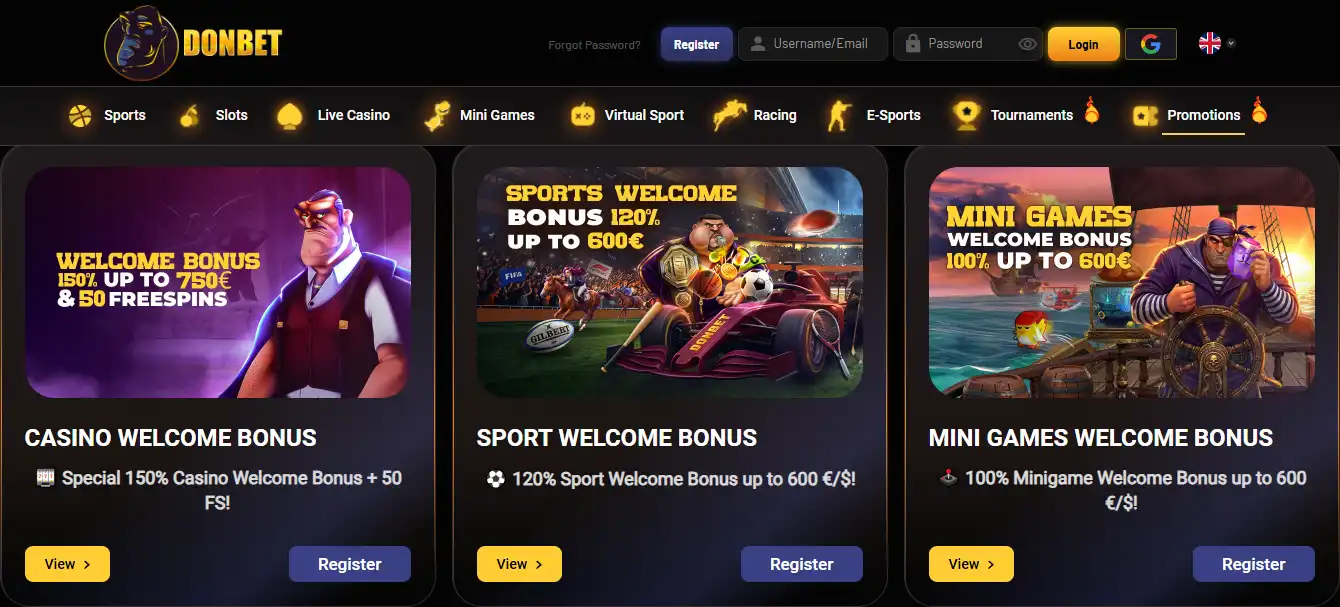
Start with the promotion’s eligibility rules. Check whether it is available on registration, requires a qualifying deposit, or forms part of another offer. Read the payment conditions too: a deposit method appearing in the cashier does not automatically qualify for every promotion. A specialist review has noted that a payment route can be excluded from a particular incentive, so confirm the terms for the offer you are considering rather than relying on the general payment page.
Then look at the wagering rules. A specialist review advises checking which games count towards the requirement and how much each contributes. A slot may be playable while contributing little or nothing to wagering; the game list and contribution rate matter. For an offer from a UK-licensed operator, bonus wagering cannot exceed ten times the bonus funds under the UK Gambling Commission’s rule in force from 19 January 2026. The cap does not remove the need to read the rest of the conditions.
Check the stake restriction and the eligible slot, particularly if the offer is tied to free spins. A specialist review also flags the need to establish what happens to spin winnings: they may be credited under conditions that differ from the spins themselves. Look for whether winnings become withdrawable, remain bonus funds, or need to meet further rules. Do not assume that a balance shown in your account is ready to cash out.
Expiry has two parts worth separating: when you must claim the offer and when any wagering must be finished. A specialist review recommends checking both deadlines, along with what happens to unused spins or an unfinished bonus when time runs out. If the wording is unclear, ask the operator to explain it before opting in; a condition is not useful if you only discover it after the clock has started.
Bonus Terms Check
- Check eligibility (registration, deposit, or campaign)
- Confirm the deposit method qualifies for the offer
- Identify the game contribution rate for wagering
- Note the stake restrictions and eligible slots
- Verify the claim and wagering expiry deadlines
I would read the offer terms alongside the game’s own information, not treat one as a substitute for the other. The game tells you what its feature does; the promotion tells you whether play counts and what conditions apply to the reward. If those terms do not clearly name the eligible slot, stake, contribution rate and treatment of winnings, pause before accepting. Small print, but it decides the practical value.
Slot Machines, Spins and UK Play Rules
When you play an online slot for real money in Britain, the way each spin runs is subject to rules. A machine may have a bonus-buy feature, but that does not exempt it from the requirements that apply to online slots. In particular, autoplay is banned, and every spin must take at least 2.5 seconds.
That matters if you are looking for a way to speed through play. A slot cannot automatically start one spin after another without you choosing each spin yourself. You also cannot skip the minimum spin duration. The rules apply to online slot play generally, not just to games with a particular feature.
What a bonus buy does not change
The phrase “buy bonus” can make a slot sound as though its special feature is a separate, faster way to play. Keep the distinction clear: the feature concerns the game, while UK rules set requirements for real-money slot play. A bonus-buy option does not make autoplay permissible or remove the minimum time for a spin.
If you are comparing slot machines with a bonus-buy option, do not assume the same controls or presentation across games. The key practical point is simpler: each real-money spin remains a player-initiated action, and it must last at least 2.5 seconds. No shortcut around that.

Stake limits also apply
There is a separate cap on the stake for each online slot game cycle. For customers aged 25 and over, the maximum is £5 per game cycle. For customers aged 18 to 24, it is £2. These are maximums, not recommended stakes; you can choose less.
The £5 limit for all adults took effect on 9 April 2025. The lower cap still applies to younger adults. So if a slot’s interface presents a stake control, the amount you can use is not simply a matter of what the game appears to allow. The applicable UK limit depends on your age.
This can be easy to miss when you are focused on whether a machine lets you buy into a feature. Check the stake shown for the game cycle, and make sure it falls within the limit that applies to you. Feature availability and stake limits are different things.

A quick check before playing
Before starting a real-money session, look for manual spin controls rather than an autoplay setting, and check the stake per game cycle. If a site or game appears to offer autoplay, that conflicts with the rule for online slots in Britain; do not treat the button as permission to use it.
The same goes for claims that a bonus-buy machine is a way to get around ordinary play controls. It is not. A feature can change what the game offers, but it does not cancel the rules for spins or stakes.
That is the practical line to remember: choose each spin yourself, allow the required time, and stay within your age-based stake cap. No clever workaround.
How to Judge a ‘Best’ Bonus-Buy Claim
A “best” label is a verdict, not evidence. When you see a claim about a bonus-buy slot or casino, look for what the writer actually compared: the game feature, the operator’s terms, or a promotional offer. Those are different things. A confident heading can blur them together; it cannot make them equivalent.
Judging Claims
Separate game claims from casino claims, verify the UKGC licence, and treat promotional value as something established only by current terms.
I would start with what can be checked. If real-money play is involved, the operator must hold the relevant UK Gambling Commission licence to serve customers in Great Britain. Check the licence number on the operator’s own site and confirm it on the Commission’s public register. A logo or a line of reassuring text is not the same check. If the claim points you towards a casino, judge its licensing separately from the slot or feature being discussed.
Then ask what “best” means in that particular review. Does it refer to a feature you can access, the way a game plays, or the value of an attached promotion? If the comparison does not explain its criteria, you have little basis for weighing one option against another. I would not treat a ranking as useful simply because it has a neat order.
Promotional value needs its own scrutiny. A specialist review has noted that eligibility, wagering conditions, excluded games, payment-method restrictions and expiry rules can all affect what a player may withdraw. That is a reason to read the live offer terms, not to assume that a large headline reward will suit your circumstances. The operator’s current terms matter more than an old summary or a general claim.
Be wary of language that promises an easy route to a bonus or presents a feature as a sure way to improve a result. A label such as “top” does not tell you what you will receive, whether you qualify, or what conditions apply. Nor does a list become trustworthy just because it names several options. Without clear criteria and information you can verify, a ranking is mostly decoration.
My rule is simple: separate the game claim from the casino claim, verify the licence, and treat promotional value as something established by current terms. If those checks are missing, leave the superlative where it is. Not much to go on.

Bonus Terms to Check Before You Choose a Slot
A slot can look appealing, but a promotion attached to it may be less useful than its headline suggests. I’d treat the game and the offer as separate decisions: a bonus-buy feature concerns a slot, while promotional terms decide whether you qualify for an incentive and what you can do with any resulting winnings.
Before choosing, check that the offer applies to you and to the way you intend to play. Eligibility can depend on how the reward is granted, and a deposit method shown in the cashier may still be excluded from a particular promotion. The terms, rather than the banner, settle the point.
Then look at the conditions that affect the value of the reward. Wagering rules can determine how much play is required before winnings become withdrawable, while game restrictions can mean that a particular slot contributes little or nothing towards that requirement. Don’t assume a bonus applies to every game simply because it appears beside a casino offer.

Free spins need their own check. A specialist review has described offers where spins were limited to slots chosen by the operator; that is a reminder to confirm the eligible game in the live terms, not a rule to assume applies everywhere. The same kind of review has reported expiry windows as short as three to seven days. Check the current offer directly, including when the spins must be used and what happens to any winnings.
That matters if you are comparing slots to buy bonuses on: a feature you like does not make a promotion suitable, and a generous-looking offer does not make a slot a good fit. When someone calls a game one of the best slots for bonus buys, I’d want to know what that judgment is based on—and whether the promotional conditions are being confused with the game itself.
Read the terms before opting in, and decide whether you would still choose the slot without the offer. If the conditions are unclear, leave it. A bonus is optional.
Do all games count toward bonus wagering?
No, not necessarily. Check which games qualify and the contribution rate for each, as some offers restrict play to selected slots.
What is the maximum wagering requirement in Great Britain?
Since 19 January 2026, wagering requirements on bonus funds are capped at 10x in Great Britain.
What are the most effective ways to maximize bonus value?
Before claiming, check eligible games and their wagering contribution, the stake limit, expiry dates, and what happens to any winnings. Also confirm the claim and wagering deadlines, and whether your chosen payment method qualifies.
Prepared by the Donbet editorial staff.